The 3D Printing Filament Vault: Organizing Airtight Desiccant Bins Without Breaking the Seal
Opening sealed filament bins exposes hygroscopic spools to ruinous ambient humidity. Here is how to organize airtight desiccant totes and inspect filament specs digitally with Tote-Pilot.
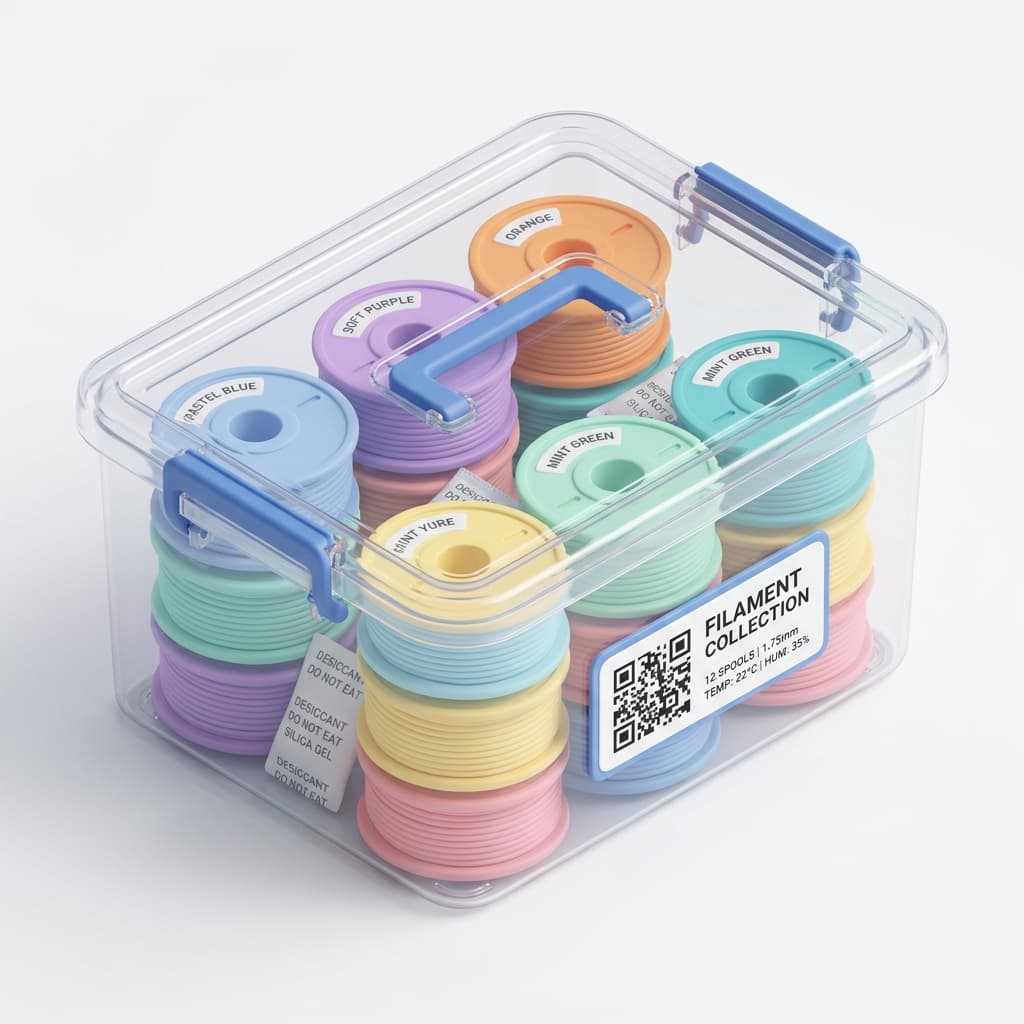
Every 3D printing enthusiast eventually learns the hard way that ambient humidity is the silent killer of clean prints. Hygroscopic filaments like PETG, TPU, and Nylon pull moisture out of the air within hours, leading to stringing, brittle layers, and ruined overnight jobs. The standard defense is an array of airtight, gasketed storage totes packed with rechargeable silica gel desiccant beads. The problem starts when you need a specific spool.
Every time you unlatch an airtight tote to check whether a spool is matte black or satin charcoal, you dump liters of moist room air into the container. That humidity exhausts your desiccant charge and forces you to bake your silica beads twice as often. Semi-translucent bin plastic obscures exact spool finishes, and manual spreadsheets lag behind the actual spools on your shelves. Don't use a spreadsheet for this. Click here to start your 3D Printing Inventory with Tote-Pilot.
Organize Totes by Polymer Family and Temperature Profile
Do not throw random materials into whichever bin has open floor space. Group your spools into dedicated airtight totes based on their printing profiles and storage requirements:
- Bin A (Standard PLA & Silk): Everyday decorative polymers that tolerate low to moderate humidity. Keep standard 190C to 215C spools grouped together.
- Bin B (Engineering Polymers): PETG, ABS, ASA, and Polycarbonate. These materials require strict moisture protection below 15% relative humidity and higher print temperatures.
- Bin C (High-Moisture Flexibles & Nylons): TPU, TPE, and PA-CF. These demand maximum desiccant density and should remain sealed until the exact moment of printing.
Inspect Spools Digitally Without Popping the Latches
We built Tote-Pilot so makers can audit containers instantly without breaking environmental seals:
- AI Deep Scan for Spool Labels: Before sealing a fresh batch of spools into a gasketed tote, lay them flat and take a photo. Our vision models read the manufacturer branding, polymer type, spool color, and nozzle temperature ranges right off the factory stickers.
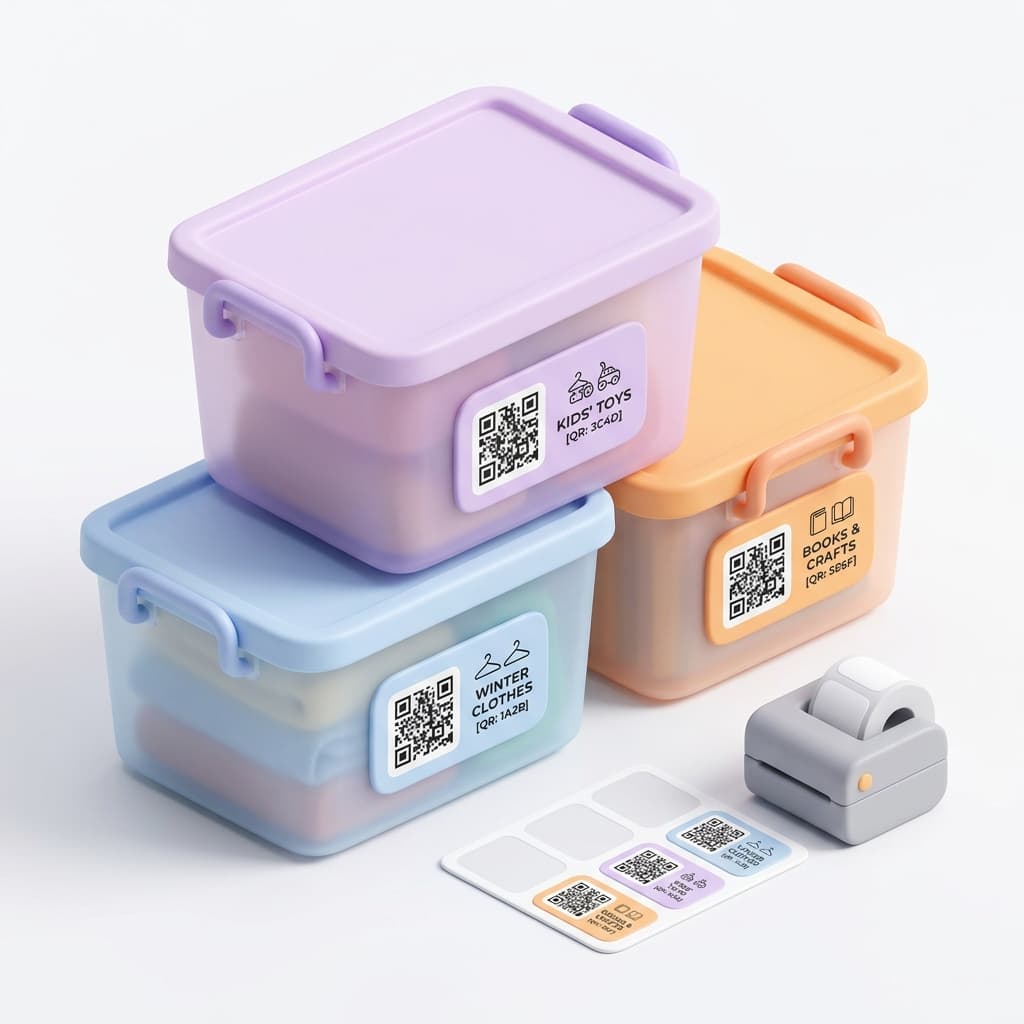
- Scannable Bin QR Labels: Stick a high-contrast QR label to the bin lid. When standing in front of your storage rack, scan the lid with your phone to view a digital twin of every spool packed inside.
- Zero-Humidity Slicing Checks: Search your inventory directly from your computer while setting up print files in your slicer. Confirm that you have 400 grams of olive green PLA before you touch a latch.
Audit your main filament tote this evening, slap a QR label on the lid, and stop venting dry air. Don't use a spreadsheet for this. Click here to start your Maker Workshop Inventory with Tote-Pilot.